
في قطاعات التصنيع، والأغذية والمشروبات، والمواد الكيميائية اليومية، وقطع غيار السيارات، ومستودعات سلسلة التبريد، تواجه العديد من الشركات مشكلة واحدة: رفوف البالتات التقليدية ذات العوارض تشغل مساحة كبيرة من الممرات ولا تستوعب كميات كافية من البضائع، بينما رفوف الدخول المباشر غير مرنة في الوصول إليها وتُعرّض البالتات للتلف. إذا كنت ترغب في تخزين المزيد من المنتجات، وشغل مساحة أقل في الممرات، مع الحفاظ على مرونة استرجاع البضائع، فإن نظام الرفوف الخلفية هو الحل الأمثل.
بصفتها إحدى أكبر ثلاث شركات مصنعة في صناعة رفوف التخزين الصينية، تتمتع شركة كينغمور راكينغ بخبرة تمتد لعشرين عامًا في هذا المجال، وتخدم شركات مرموقة مثل DHL وMengniu وKFC، ولديها مشاريع منفذة في أكثر من مئة دولة حول العالم. بدءًا من مراكز التوزيع الأمريكية واسعة النطاق والمستودعات الذكية في فيتنام، وصولًا إلى مشاريع المنصات الضخمة في إسرائيل، تُمكّننا خبرتنا العملية الواسعة من ضبط هيكل رفوف الدفع الخلفي وكفاءتها ونقاط اختيارها بدقة لتلبية الاحتياجات الفعلية في مواقع العمل.
اليوم، نشرح نظام الرفوف الخلفية من منظور العميل: هيكله، ومزاياه، وحالات استخدامه المناسبة، وكيفية اختياره دون الوقوع في الأخطاء.
1. الهيكل الأساسي لرفوف الدفع الخلفي: قضبان + عربة، ثابتة وسلسة
يتكون نظام الرفوف الخلفي الكامل بشكل أساسي من مكونات معيارية متطورة:
- الهياكل الرأسية: الهيكل الرئيسي الحامل للأحمال في صف الرفوف بأكمله، وهو ثابت ومقاوم للصدمات.
- هيكل العارضة: دعامة متعددة الطبقات، قاعدة سكة ثابتة
- نظام قضبان/مسارات متعدد الطبقات: توجيه مائل من الأمام إلى الخلف، انزلاق أكثر سلاسة
- عربات النقل المتحركة (عربات نقل البضائع على منصات نقالة): اتبع القضبان للتحرك للأمام والخلف، مما يسمح بتكديس المنصات النقالة.
- هياكل الحد من الاصطدام ومنعه: تمنع سقوط المنصات أو تحركها، مما يحسن السلامة التشغيلية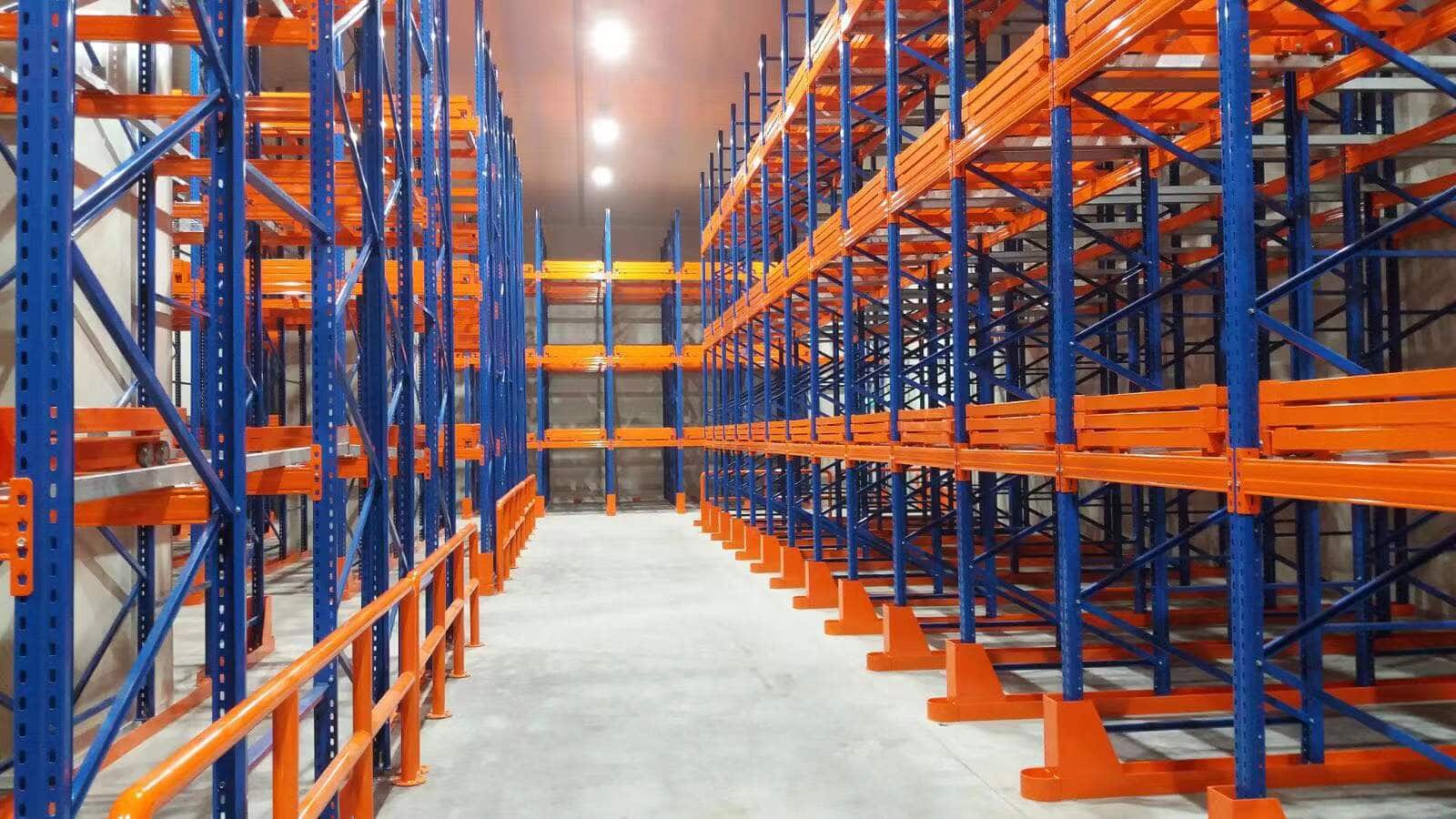
يعتمد نظام الرفوف على مبدأي قضبان الجاذبية ودفع العربات، فلا يتطلب أي أنظمة تحكم كهربائية معقدة. إنه نظام ميكانيكي بالكامل، يتميز بانخفاض معدلات الأعطال وسهولة الصيانة، مما يجعله مناسبًا لكل من المستودعات ذات درجة الحرارة العادية والمستودعات المبردة.
2. مبدأ عمل رفوف الدفع الخلفي: سهل الفهم
تقوم الرافعة الشوكية بدفع المنصة إلى العربة الأمامية؛ 2. باستخدام السكة المائلة قليلاً والجاذبية، تتحرك العربات الخلفية تلقائيًا إلى الخلف؛ 3. ضمن نفس الممر، يمكن تخزين من 2 إلى 5 منصات من نفس النوع، مرتبة بإحكام من الأمام إلى الخلف؛ 4. أثناء الاسترجاع، يسمح أخذ المنصة الأمامية للمنصات الخلفية بالانزلاق تلقائيًا إلى الأمام إلى موضع الالتقاط. باتباع مبدأ "الأولوية للأقدم" والتخزين المركز في الممر، فإنه يوفر مساحة الممر بشكل كبير ويزيد من سعة التخزين مقارنةً برفوف العوارض التقليدية.
ثالثًا: المزايا الأساسية لأنظمة الرفوف ذات الدفع الخلفي، والتي تعالج بشكل مباشر نقاط الضعف في التخزين
1. زيادة كبيرة في سعة التخزين، وتقليل ملحوظ في عدد الممرات
لا حاجة لترك ممرات للرافعات الشوكية لكل صف من المنصات؛ إذ يمكن تكديس عدة منصات بكثافة. وبالمقارنة مع رفوف المنصات القياسية، تزداد مساحة التخزين بنسبة تتراوح بين 50% و80%، مما يجعلها مناسبة بشكل خاص للشركات ذات مساحة التخزين المحدودة التي تتطلع إلى التوسع.
2. كفاءة استرجاع عالية، ومرونة أكبر من رفوف التخزين التقليدية
جميع المنتجات في ممر واحد موحدة، ومسارات تشغيل الرافعات الشوكية قصيرة، ولا حاجة للقيادة بعمق في الممرات؛ على عكس رفوف المرور/القيادة التي يمكنها فقط تخزين كميات كبيرة، فإن رفوف الدفع الخلفي تدعم كلاً من التخزين المركز والاسترجاع السريع، مما يجعل الدوران اليومي أسهل.
3. هيكل يعتمد كلياً على الجاذبية الميكانيكية، متين ولا يحتاج إلى صيانة.
لا محركات، ولا تحكم كهربائي، وأجزاء قليلة معرضة للتلف، ومقاومة لدرجات الحرارة المنخفضة والرطوبة، ومناسبة لمستودعات سلسلة التبريد وورش العمل ذات درجة الحرارة العادية، مع تكاليف صيانة منخفضة للغاية لاحقاً.
4. يحمي البضائع، ويقلل من أضرار التصادم
تتحرك العربات بسلاسة، متجنبة الضغط والضغط الشديدين؛ يتم وضع البضائع بدقة، مما يقلل من تلف التغليف واصطدامات المنصات، مما يجعلها مفيدة للغاية للصناعات مثل الأغذية والمواد الكيميائية اليومية وقطع غيار السيارات التي تتطلب معايير عالية لمظهر المنتج.
5. تصميم معياري، قابل للتخصيص والتوسيع
يمكن تخصيص عدد المستويات، والمنصات لكل ممر، وسعة التحميل، وأبعاد الممرات، وفقًا لارتفاع المستودع، ونوع الرافعة الشوكية، ووزن المنتج؛ كما يمكن أن يسمح نمو الأعمال لاحقًا بتوسيع أو ترقية الصفوف بأكملها.
رابعاً: سعة التحميل وتصنيف المواصفات، قم بالمطابقة حسب الحاجة
تم تصميم رفوف الدفع الخلفي من كينغمور بدقة وفقًا للمعايير الصناعية:
الحمولة القياسية للمنصة الواحدة: يمكن تهيئتها عادةً بحمولة تتراوح بين 1000 كجم و1500 كجم؛ ويمكن تخصيصها للحمولات الثقيلة ذات سعة تحميل أعلى.
التخزين أحادي المسار: عادةً ما يكون بعمق 2 إلى 5 منصات نقالة، ويتم ملاءمته بمرونة مع حجم المخزون
تستخدم السلسلة بأكملها فولاذ Q235B عالي الجودة، مطليًا إلكتروستاتيكيًا لمقاومة التآكل والصدأ، ومعتمدًا وفقًا للمعايير الدولية CE/SGS/ISO
خامساً: أنظمة الرفوف ذات الدفع الخلفي مقابل أنظمة الرفوف التقليدية، اختيار سهل الفهم
رفوف العوارض القياسية: سهولة الوصول، ولكن بها ممرات كثيرة ومساحة تخزين منخفضة
رفوف التخزين ذات المدخل/المخرج: تتميز بسعة تخزين عالية، ولكن الوصول إليها بطيء، وهي مناسبة فقط للكميات الكبيرة جدًا.
رفوف قابلة للدفع للخلف: سعة تخزين كبيرة + سهولة الوصول + تكلفة متوازنة، مثالية للتخزين متوسط الحجم والمتعدد الدفعات
سادساً: الصناعات الأكثر ملاءمة لرفوف الدفع الخلفي
✔ الأطعمة والمشروبات، الكحول والمواد الكيميائية اليومية (دفعات واضحة، مناسبة لإدارة مدة الصلاحية)
✔ مستودعات سلسلة التبريد والأغذية الطازجة (قابلة للاستخدام في درجات حرارة منخفضة، ذات بنية ميكانيكية مستقرة)
✔ مستودعات قطع غيار السيارات والأدوات الجاهزة
✔ سواغات صيدلانية، مواد كيميائية غير خطرة (مخزنة بشكل منظم)
✔ مستودعات نقل المواد الخام والمنتجات النهائية للصناعات الصغيرة والمتوسطة
طالما أن مخزونك لكل وحدة تخزين معتدل، مع دفعات متعددة، وترغب في توفير مساحة المستودع، ولا تريد أتمتة معقدة، فإن رفوف الدفع الخلفي مناسبة للغاية.
7. إن اختيار Kingmore لا يقتصر على شراء الرفوف فحسب، بل هو حل تخزين كامل وموثوق.
تمتلك شركة Kingmore قاعدة إنتاج واسعة النطاق تبلغ مساحتها 200,000 متر مربع مع خطوط إنتاج آلية بالكامل للدرفلة واللحام والرش؛ تخضع جميع الرفوف القابلة للدفع لحسابات ميكانيكية احترافية، وتركيب في الموقع مع معايير الرافعة الشوكية، ومساحة آمنة محجوزة مضادة للتصادم؛ من تخطيط تخطيط المستودع الأولي وتصميم المخطط إلى الإنتاج والتركيب وما بعد البيع، نقدم خدمة متكاملة شاملة.
لقد نفذنا العديد من مشاريع التخزين واسعة النطاق في الخارج، بالإضافة إلى مشاريع مع شركات محلية مرموقة. لدينا فهم عميق للموقع، وسير العمل، والسلامة، مما يساعدكم على تجنب الأخطاء الشائعة مثل التباعد غير المناسب بين الممرات، وعدم كفاية سعة التحميل، وتعطل آلية الانزلاق، وهدر مساحة التخزين.

يضيف : NO.409 West Jianshe Road, Economic Development Zone, Jinhu County, Jiangsu Province, China
من فضلك تابع القراءة، ابق على اطلاع، اشترك، ونحن نرحب بك لتخبرنا برأيك.


حقوق الطبع والنشر
2026@ Jiangsu Kingmore Storage Equipment Manufacturing Co., Ltd جميع الحقوق محفوظة.
خريطة الموقع
| المدونة
| Xml
| سياسة الخصوصية
 الشبكة المدعومة
 العربية
 English
 español
 日本語
日本語 한국의
한국의 Deutsch
 français
 português
 中文
中文 русский